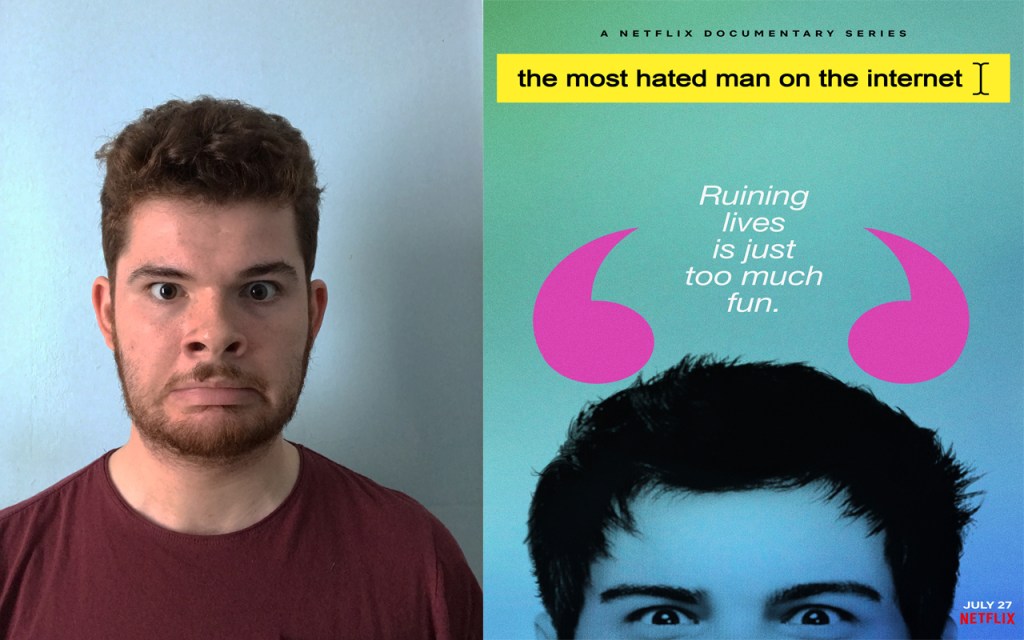
When it comes to subjects for documentaries, you can always count on Netflix to choose something that’ll catch your eye and The Most Hated Man On The Internet is no exception. It is a tense saga with numerous twists and escalations that’ll keep you watching for the entirety of its three episode run. However it would be nice if it didn’t look like all the other true crime series Netflix have cranked out the past decade.
The Most Hated Man On The Internet concerns an individual known as Hunter Moore, who became known as the King of Revenge Porn when he founded Is Anyone Up, a website that displayed explicit photos stolen from private email accounts. For years Moore enjoyed a life of fame and fortune until one day, a mother whose daughter had her private photos posted on the site, fought back.
The Angle
The series explores an era not that long ago where people could literally post whatever they wanted online and face little to no consequences for it. The series rightfully presents Hunter Moore as the embodiment of this freedom.
The first episode does a good job of establishing the influence Hunter Moore had online in the early 2010s, the “wild west days of the internet” as one interviewee calls it. In countless screenshots of posts and messages, we see how Is Anyone Up was used and enjoyed by many. We then see in the testimonies of the victims, and their families, the emotional effects of the site.
By the second episode, we see that Moore’s actions are getting challenged more frequently in public but his supporters aren’t backing down. This episode reminds us of the cultural practices of “slut shaming” and “victim blaming” as the women campaigning against Is Anyone Up are told again and again “why did you post it online then?”
The end of the third episode is cathartic. If you already know of the saga of Is Anyone Up then you know what I’m describing. Telling this story in three episodes was a wise choice as it’s essentially a classic David and Goliath story. Like the original Star Wars trilogy; part one establishes the cast and the unstoppable tyrant they face, part two sees our cast achieve significant but costly victories against the tyrant and part three shows our cast completely and utterly destroy the tyrant.
The series is very well told from a storytelling perspective, from a visual perspective however there are some issues.
The Style
The only thing that sets the show a part from other Netflix docuseries, visually speaking, is its opening titles. For a series about such a morbid topic, the opening titles are quite colourful and have a lot of personality.
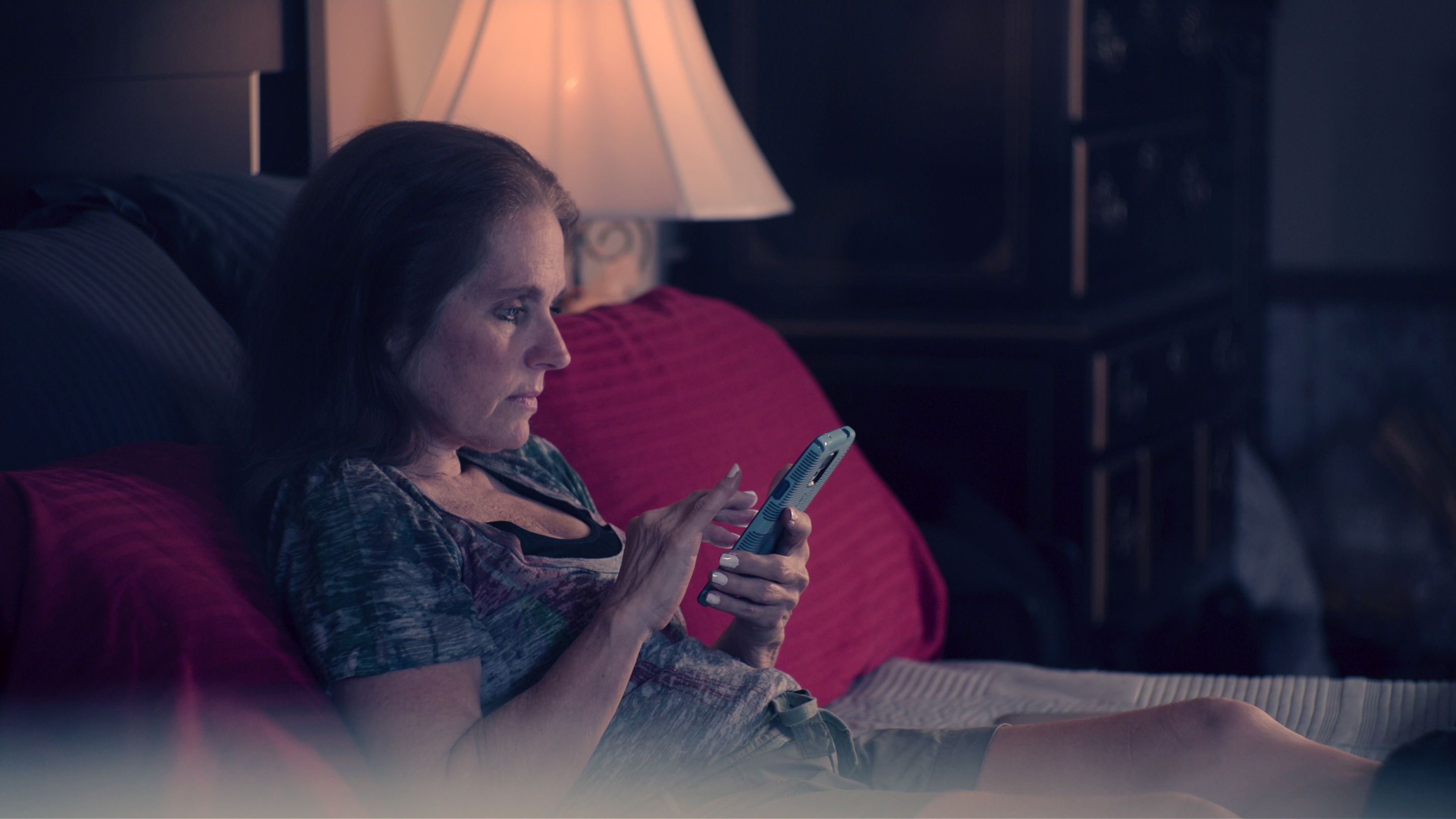
Apart from that, it has the same visual style as Tiger King, Don’t F**k With Cats, Night Stalker, Unabomber: In His Own Words and a bunch of other docuseries put out by the streaming service. They’ve all got their own directors but if you watch enough of them you start to think they’re all made by the same person.
The gritty-looking opening titles, the shadowy out-of-focus reconstructions, the two angle interviews; these techniques have been used so often in these shows they’re almost cliches at this point. This is a pity because all these series have good stories to tell. If Netflix abandoned these techniques completely for their next series, it would create a much more memorable viewing experience.
If you don’t care for how a show is shot or edited like I do then you’ll have no problem with The Most Hated Man On The Internet. Despite my annoyance with its visual storytelling, I laud the series’ structural storytelling. Like in any good piece of fiction you’re invested in the main characters, you feel their hatred for the antagonist and you celebrate their victories. It’s a good watch.
I give The Most Hated Man On The Internet a strong 8 out of 10.
 Duffhood
Leave a comment