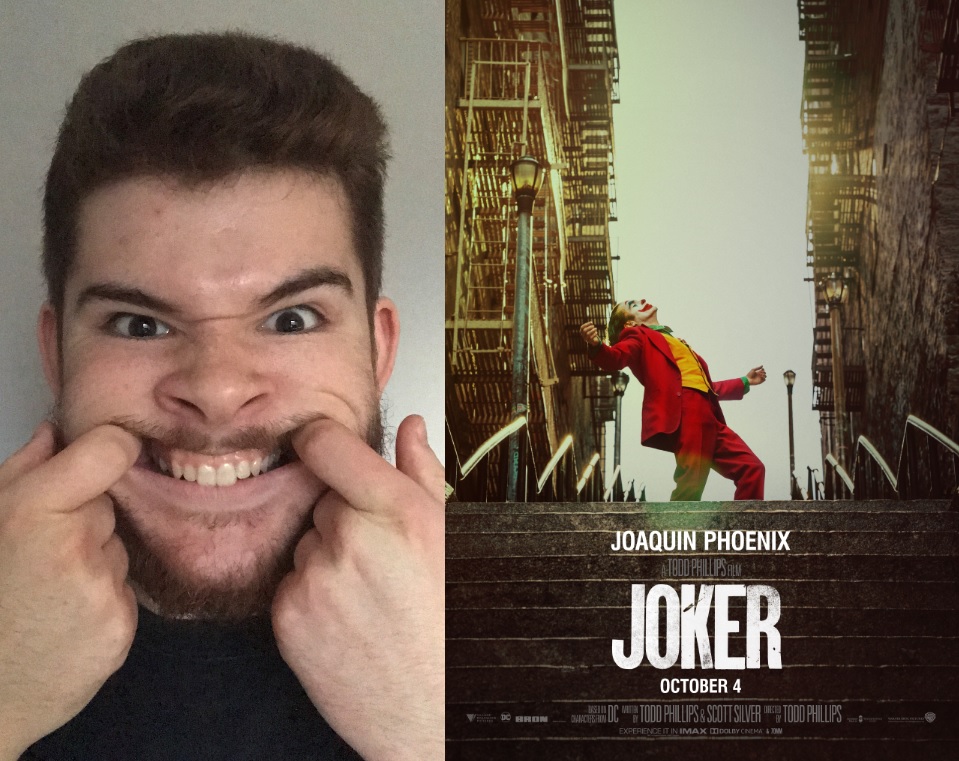
Reviewing a film that leaves its meaning to the audience’s interpretation is difficult. You have to tell the difference between a good story with a meaning that can be applicable to multiple interpretations and a bad one with no meaning whatsoever that tries to look like one. After some thought, looking at other reviews and considering their interpretations, my conclusion at the moment regarding Joker is that it’s a solid portrait of a vulnerable individual failing to prosper in a society that only rewards the rich and the cruel.
This standalone DC film from Hangover director Todd Philips depicts the birth of Batman’s arch nemesis in 1980s’ Gotham. Arthur Fleck (Joaquin Phoenix) is a struggling stand-up comedian who, after enduring a sequence of failures and injustices, begins a slow descent into insanity, coming out the other side as the criminal mastermind known as the Joker.
The Character
The heading is titled ‘Character’ rather than ‘Characters’ as the film is just about one. Joker is essentially a character study of Arthur. He’s the only one we truly know in terms of desire, weakness and backstory.
I won’t lie at the beginning of the film I thought Arthur came across as a stereotypical cinematic psychopath. He gets bullied, lives with his mother, gets fired from his job; you know he’s going to snap. Some elements of his character however I found interesting, such as his neurological condition that causes him to laugh uncontrollably, his desire to make the world a happier place by getting into stand-up and his idolization for talk-show host Murray Franklin (Robert De Niro).
Fortunately, these elements, along with others introduced along the way, expand as the film progresses, making Arthur different from the cliché broken-man-who-gets-revenge-on-society I was fearing he’d become.

We learn that Arthur is a man with many disadvantages, psychologically, socially and economically. Disadvantages that his society will not only reject but actively exploit. The film never really begs us to feel sympathy for him. There are moments where you’ll certainly feel pity for him, however the film’s main goal is for you to understand him, not to empathize with him. Portrayed incredibly by Joaquin Phoenix, Arthur is a man who had no chance to succeed from the moment he was born and yet wants nothing but to succeed, which makes him a compelling and well-written character.
The Plot
Dramatizing Arthur’s inner conflict mustn’t have been an easy task for the writers. To express his transformation into a psychopathic terrorist realistically is a process with many pitfalls. As I stated earlier, I was afraid the film had fallen into one from the very beginning.
The plot chronicles Arthur’s evolution very gradually. His desire to succeed is hard to kill at first, even as his delusions and psychotic traits grow, he still keeps his feet on the ground. Firstly, Arthur’s hopes, dreams and conditions (his mental illness, job, apartment etc) are established. Then, one by one, everything that he is sure of and hopeful for is destroyed. This slow and painful process makes up the majority of the plot, tracking Arthur’s struggle to stay sane.
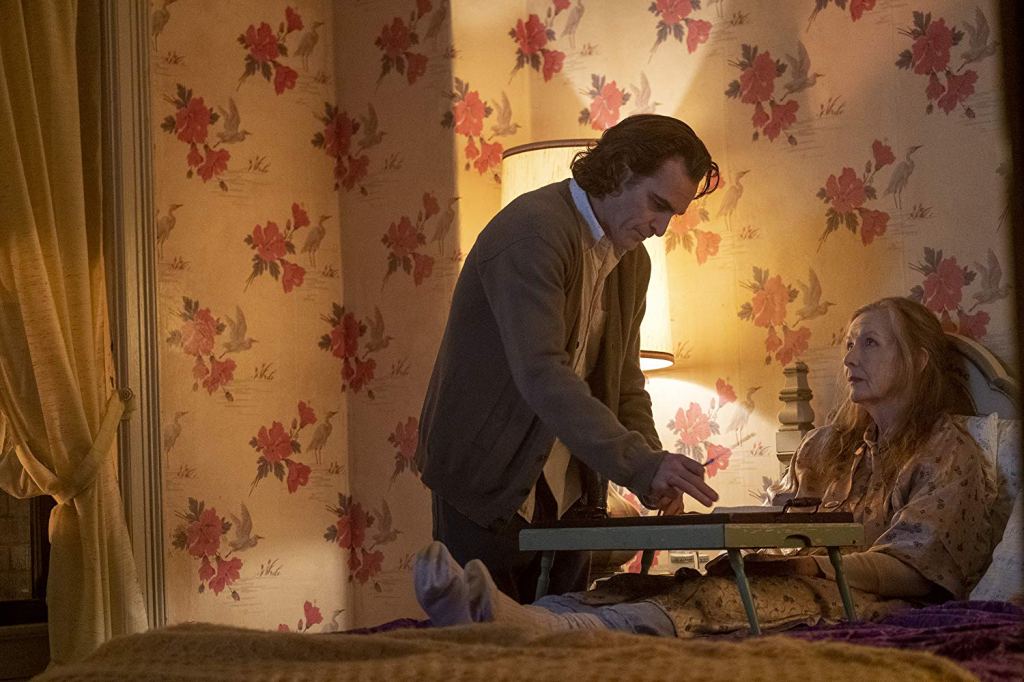
So what does the film mean if anything? Well, I am confident that it criticises the affect classism can have on mental health. I don’t think the film says the Joker will emerge if none of these issues are tackled but I do think it says people will develop the Joker’s mindset and philosophy if governments continue to fail them when resolving poverty.
Overall, Joker is a mesmerizing and poignant film with its well-written main character and carefully plotted depiction of his descent into madness. I haven’t seen many films this year but out of the ones I have, this is certainly one of the best.
I give Joker and a solid 9 out of 10.
 Duffhood
Leave a reply to I Liked It. There. I Said It. Joker: Folie à Deux (2024) Review – Duffhood Cancel reply